2026-10-24 · Robert "Rob" Stevens
How Often to Change Furnace Filters Near Flagstaff's Pine Forests
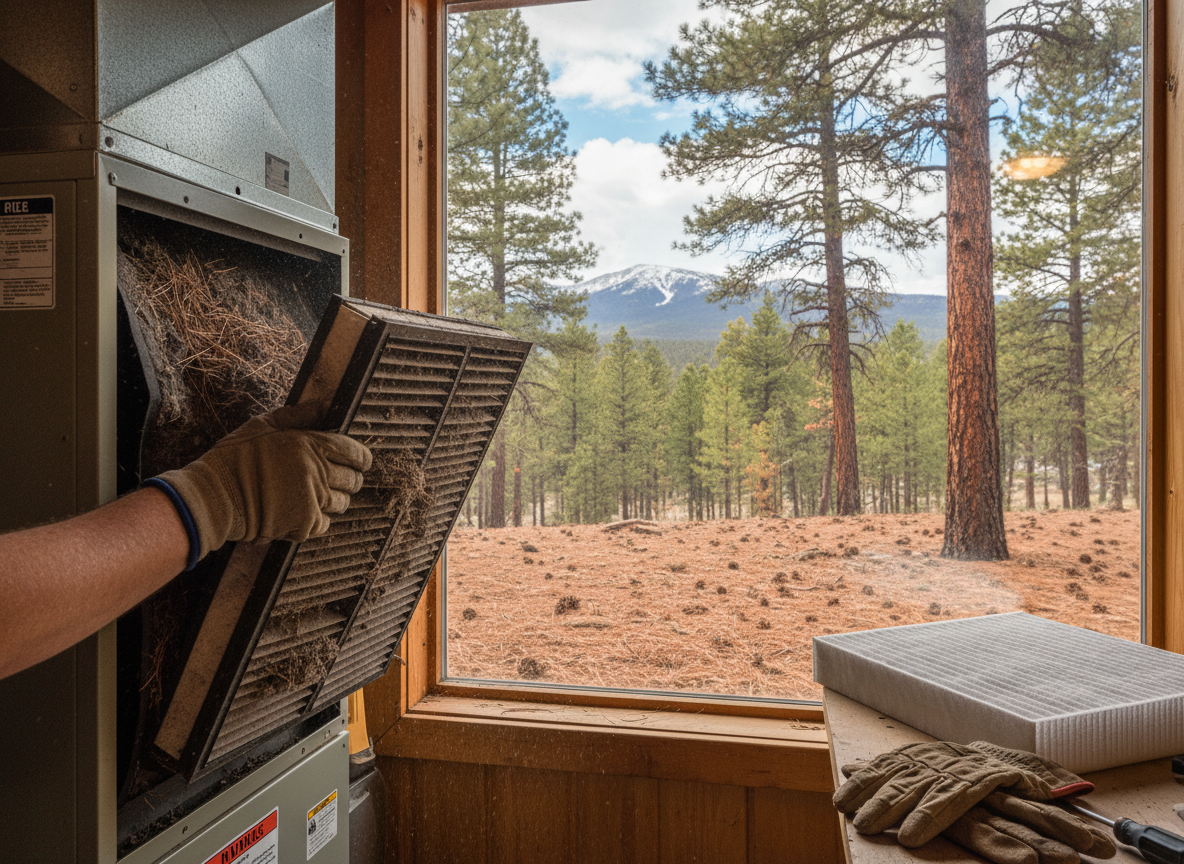
For most homes in Flagstaff, particularly those nestled near the pine forests of areas like University Heights or Shadow Mountain, changing your furnace filter every 30 to 90 days is a good general guideline. However, this isn't a one-size-fits-all answer. Factors unique to our Coconino County environment, such as the persistent pine pollen in spring and summer, the dust from unpaved roads in some East Flagstaff neighborhoods, and the heavy use of furnaces during our cold, snowy winters, can significantly impact this frequency. A proactive approach to filter changes is essential here, not just for air quality, but for the longevity and efficiency of your heating system when it's working hard to keep your home warm against the elements.
The Impact of Flagstaff's Environment on Filter Life
Living in Flagstaff means contending with a unique blend of environmental factors that heavily influence how quickly your furnace filter becomes clogged. The abundant pine forests surrounding areas like West Flagstaff contribute a substantial amount of pollen and fine particulate matter to the air, especially from late spring through early fall. This isn't just an outdoor issue; these particles inevitably find their way into your home's air circulation. During our long, cold winters, when furnaces run almost constantly to combat temperatures that often dip below freezing, the system pulls in a higher volume of air, accelerating filter accumulation. Homes in older neighborhoods like Downtown Flagstaff, with their charming but sometimes drafty structures, might also experience more dust ingress, further stressing filter capacity. Ignoring these local realities can lead to a struggling furnace, potentially requiring a Furnace Blower Motor Repair sooner than expected.
Signs It's Time for a Filter Change
Beyond the general timeframe, your furnace itself often provides clear indicators that it's time for a filter replacement. Paying attention to these signs can prevent more serious issues like a Furnace Not Producing Enough Heat or even a complete breakdown. Here are some common red flags to watch for:
- Visible Dirt and Debris: The most obvious sign is a filter that looks dark, gray, or visibly clogged with dust, pet hair, or other airborne particles. Hold it up to the light; if you can't see light through it, it's definitely time for a change.
- Reduced Airflow: If you notice weaker airflow coming from your vents, especially in parts of your home like Southside or near Northern Arizona University, a dirty filter could be the culprit. Restricted airflow makes your furnace work harder to push air through.
- Increased Energy Bills: A clogged filter forces your furnace to exert more energy to maintain your desired temperature. If your heating bills suddenly spike without a corresponding change in usage or outside temperature, check your filter first.
- Unusual Odors: A burning smell emanating from your vents, particularly at the start of the heating season, can sometimes be attributed to dust burning off a dirty filter. However, a persistent or strong burning smell warrants immediate attention and could indicate a more serious issue, possibly requiring a Furnace Burning Smell Diagnosis.
- Excessive Dust in Your Home: If you find yourself dusting more frequently than usual, despite regular cleaning, your furnace filter might not be effectively capturing airborne particles.
Choosing the Right Filter for Flagstaff Homes
Selecting the appropriate furnace filter is as important as knowing when to change it. Filters are rated by their MERV (Minimum Efficiency Reporting Value), which indicates how effectively they capture particles. For most residential homes in Flagstaff, a MERV rating between 8 and 11 is ideal. These filters strike a good balance between effective particle capture and not overly restricting airflow, which can strain your furnace. Higher MERV ratings (12-16) offer superior filtration, great for allergy sufferers, but they also create more airflow resistance. If you opt for a higher MERV filter, be prepared to check and change it more frequently, perhaps every 30 to 45 days, especially during peak pollen seasons or heavy furnace use. Always ensure your filter size matches your furnace; common sizes include 16x25x1 or 20x25x1 inches, but always verify your specific unit's requirements.